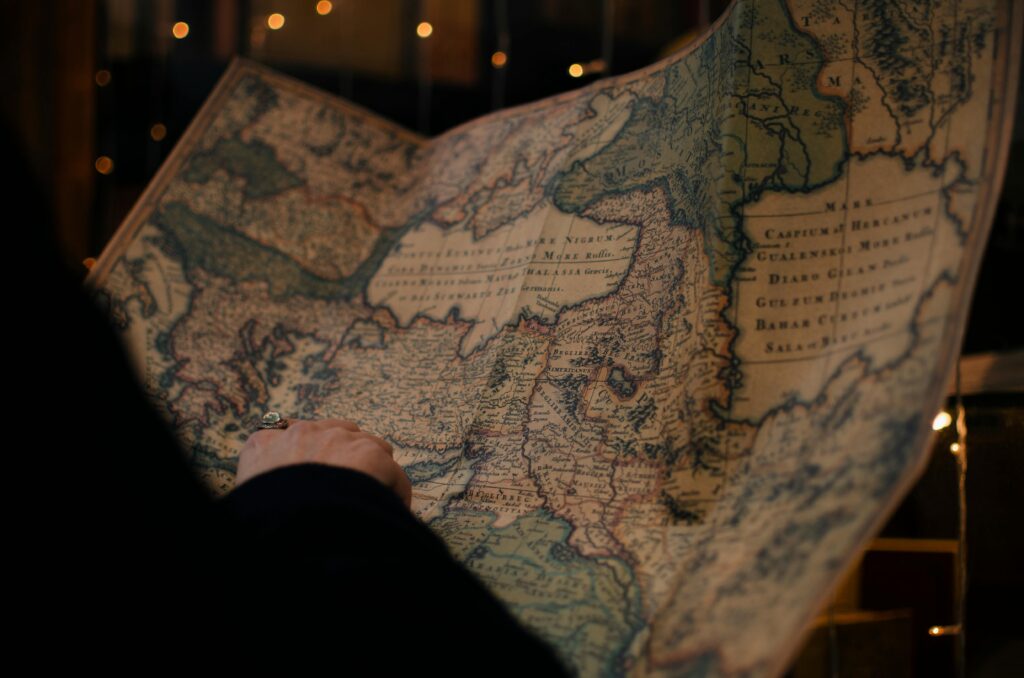
Whisky is more than just an amber liquid in a glass; it is a story of geography, climate, and culture captured in a bottle. For the casual enthusiast, walking into a well-stocked spirit shop can feel like standing in front of a world map. From the rugged, salt-sprayed coasts of the Scottish Isles to the serene, meticulously crafted distilleries of Japan, each region imparts a “terroir” that makes its whisky unmistakable.
If you have ever wondered why one bottle tastes like a campfire by the sea while another reminds you of a blooming orchard, the answer lies in its origin. Let’s take a journey across the global map of spirits to understand the regions that define the modern whisky landscape.
Scotland: The Ancestral Home
Scotland is the undisputed heart of the whisky world. To be called “Scotch,” the spirit must be aged in oak casks in Scotland for at least three years. However, the diversity within this small country is staggering.
• The Highlands & Speyside: These regions are famous for “approachable” whiskies. Speyside, in particular, is the home of giants like Macallan and Glenfiddich. Here, you will find elegant, honeyed, and fruity profiles. Many of these whiskies are aged in Sherry casks, which add deep notes of dried raisins, cinnamon, and chocolate—perfect for those who enjoy a richer, sweeter dram.
• Islay (The Smoke Monsters): If Speyside is a gentle breeze, Islay is a storm. This small island is famous for its “peated” whiskies. Distillers dry their malted barley over burning peat fires, infusing the grain with a heavy, smoky aroma. Brands like Laphroaig or Lagavulin are legendary for their medicinal, salty, and intense campfire flavors. It is a polarizing style, but for those who love it, there is no substitute.
Japan: The Mastery of Refinement
In recent years, Japanese whisky has become a global phenomenon, often fetching higher prices at auctions than their Scottish counterparts. While the Japanese originally modeled their techniques after the Scots, they have evolved into a style defined by precision and balance.
Japanese distillers, such as Suntory and Nikka, focus on “minimalism.” Their whiskies are often described as clean, floral, and incredibly smooth. The use of rare Mizunara (Japanese oak) adds unique scents of sandalwood and incense that you won’t find anywhere else. A Japanese pour is about harmony; every flavor is perfectly placed, like a well-tended Zen garden.
The American Spirit: Bourbon and Rye
Across the Atlantic, the story changes from barley to corn and rye. American whiskey is bold, loud, and unapologetic.
• Bourbon: By law, Bourbon must be made from at least 51% corn and aged in new charred oak barrels. This “new wood” is the secret to Bourbon’s signature sweetness. Because the barrels have never been used before, they impart heavy doses of vanilla, caramel, and maple syrup. Whether it’s a classic Buffalo Trace or a premium Pappy Van Winkle, Bourbon is the ultimate comfort spirit.
• Rye: If Bourbon is the sweet cousin, Rye is the spicy one. Made primarily from rye grain, this whiskey offers a punch of black pepper, baking spices, and a drier finish. It is the backbone of classic cocktails like the Old Fashioned and the Manhattan, providing the structural “kick” that cuts through sugar and bitters.
Ireland: The Smooth Renaissance
Irish whiskey is currently the fastest-growing spirit category in the world, and for good reason. Most Irish whiskey is triple-distilled, whereas Scotch is usually distilled twice. This extra step removes more impurities, resulting in an exceptionally smooth, “easy-drinking” spirit.
Irish whiskey often features notes of green apple, light grass, and toasted wood. It lacks the smoky “burn” of Islay Scotch, making it the perfect entry point for someone just starting their whisky journey.
Understanding the Label: Single Malt vs. Blended
As you explore these regions, you will see two main terms:
1. Single Malt: This means the whisky comes from one single distillery and is made entirely from malted barley. It represents the specific “DNA” of that location.
2. Blended: This is a masterful mix of whiskies from multiple distilleries. Master blenders combine different grains and malts to create a consistent, reliable flavor profile. Don’t let the “blend” label fool you; some of the world’s most prestigious bottles are expert blends.
Finding Your Place on the Map
The beauty of the global whisky map is that there is no “best” region—only the region that suits your mood today. You might want a spicy American Rye for a lively cocktail night, a delicate Japanese malt for a moment of quiet reflection, or a smoky Islay Scotch to pair with a heavy cigar by the fire.
The best way to learn is to taste. Try a “horizontal flight”—sample one Scotch, one Bourbon, and one Japanese whisky side-by-side. You will quickly realize that you aren’t just tasting alcohol; you are tasting the wood of the barrels, the water of the rivers, and the history of the people who made it.
Which region’s profile sounds most like your style? Are you drawn to the sweet vanilla of the American West or the mysterious smoke of the Scottish Isles?
Pro-Tip: When trying a new whisky, add just two or three drops of room-temperature water. This “opens up” the spirit, breaking the surface tension and releasing hidden aromas that you might miss at full strength. Happy exploring!
Leave a Reply