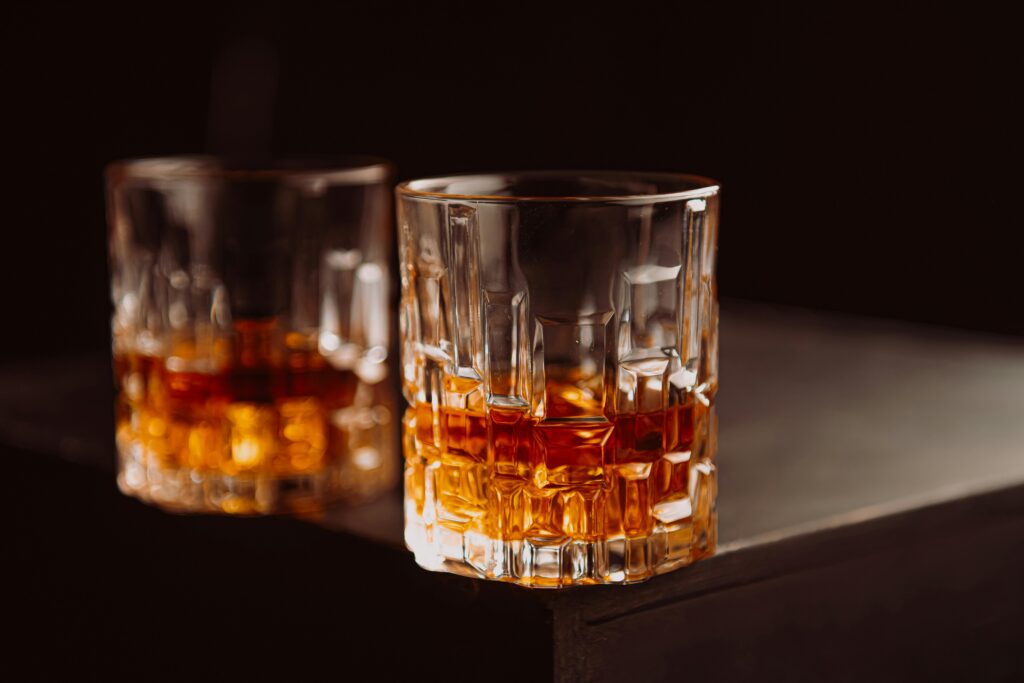
In the world of high-end spirits, whisky has transcended its role as a mere drink. Today, it is a blue-chip asset, a masterpiece of liquid history, and a status symbol that rivals the finest art or real estate. As we navigate through 2026, the auction prices for rare bottles have reached astronomical heights, turning dusty casks into “liquid gold.”
For the average enthusiast, a $100 bottle might feel like a luxury. But in the elite stratosphere of collecting, $100,000 is just the starting point. What makes a whisky worth millions? Is it the age, the rarity, or perhaps the diamonds on the bottle? Let’s explore the most expensive whiskies in the world and the stories that make them priceless.
1. The Crown Jewel: Isabella’s Islay ($6.2 Million)
While the debate often rages about whether the value lies in the liquid or the vessel, Isabella’s Islay leaves no room for doubt. Holding the title of the world’s most expensive whisky, this is less of a bottle and more of a piece of high jewelry.
• The Decanter: The English crystal bottle is encrusted with over 8,500 diamonds and 300 rubies, all set in the equivalent of two bars of white gold.
• The Liquid: Inside is a Very Old Single Malt Scotch from Islay, described as having a “buttered-toasty woodsmoke” character.
• The Verdict: This is the ultimate “flex” for the billionaire collector. Most of the $6.2 million price tag is tied to the craftsmanship of the decanter, making it a favorite for those who view whisky as a permanent sculptural investment.
2. The Record Breaker: The Macallan 1926 Valerio Adami ($2.7 Million+)
If Isabella’s Islay is about the bottle, The Macallan 1926 is about the legendary liquid. Often called the “Holy Grail” of whisky, this specific cask (Cask #263) produced only 40 bottles after aging for 60 years.
In late 2023 and throughout 2025, versions of this bottle—specifically the Valerio Adami edition—shattered records at Sotheby’s, fetching over $2.7 million.
• Why it’s famous: The labels were designed by renowned pop artist Valerio Adami.
• The Centennial Factor: As we reach 2026, the 100th anniversary of when this whisky was first laid down in the cask, its “mythical” status has only grown. It represents the pinnacle of Scottish distilling history.
3. The Irish Masterpiece: The Emerald Isle Collection ($2.8 Million)
For a long time, Scotch dominated the high-end market, but 2026 has seen Irish Whiskey claim its place at the top. The “Emerald Isle Collection,” a collaboration between The Craft Irish Whiskey Co. and Fabergé, recently sold for $2.8 million.
This isn’t just a bottle; it’s a luxury experience housed in a dark walnut chest. It includes:
• A rare 30-year-old triple-distilled Irish single malt.
• A bespoke Fabergé Celtic Egg made of 18k gold and raw emeralds.
• A 22k gold Fabergé timepiece and even a gold-plated cigar cutter.
• The Allure: It combines the rarity of ultra-aged Irish spirit with the prestige of Fabergé, appealing to the “Portfolio Collector” who wants a diversified luxury asset.
4. The Rising Sun: Yamazaki 55 Year Old ($800,000+)
No list of expensive whiskies is complete without Japan. The Yamazaki 55 Year Old is the oldest and most valuable Japanese whisky ever released. Only 200 bottles were produced, and they are now the primary target for Asian collectors.
In 2026, these bottles are appearing at auctions with estimates exceeding $800,000. It is prized for its unique flavor profile, influenced by aging in Mizunara (Japanese oak), which imparts notes of sandalwood and incense—aromas you won’t find in any Scotch or Bourbon.
What Drives These “Insane” Prices?
You might wonder why anyone would pay the price of a private jet for a 750ml bottle. There are three primary drivers in 2026:
1. The “Ghost” Factor: Many of these whiskies come from “Ghost Distilleries” that no longer exist. When the last bottle is drunk, that flavor profile is gone from the Earth forever.
2. Angel’s Share: When whisky ages for 50 or 60 years, most of the liquid evaporates through the wood (the “Angel’s Share”). Only a tiny fraction remains, making the final few bottles incredibly concentrated and rare.
3. Liquidity (Literally): High-end whisky has become a recognized alternative asset class. Collectors buy these bottles not to drink them, but to hold them in climate-controlled vaults, knowing that their value historically increases during times of economic inflation.
Conclusion: Art You Can Sip
While most of us will never taste a $2 million Scotch, these bottles serve as the “concept cars” of the spirits world. They push the boundaries of packaging, aging, and storytelling. They remind us that whisky is a blend of nature’s patience and human artistry.
If you had the budget, which would you choose? The diamond-encrusted Islay or the historically pure 1926 Macallan?
Pro-Tip: If you want to start your own “mini-investment” collection without spending millions, look for “Limited Anniversary Bottlings” from major distilleries. They often appreciate in value over 5–10 years, providing a small taste of the high-stakes world of whisky collecting!
Leave a Reply