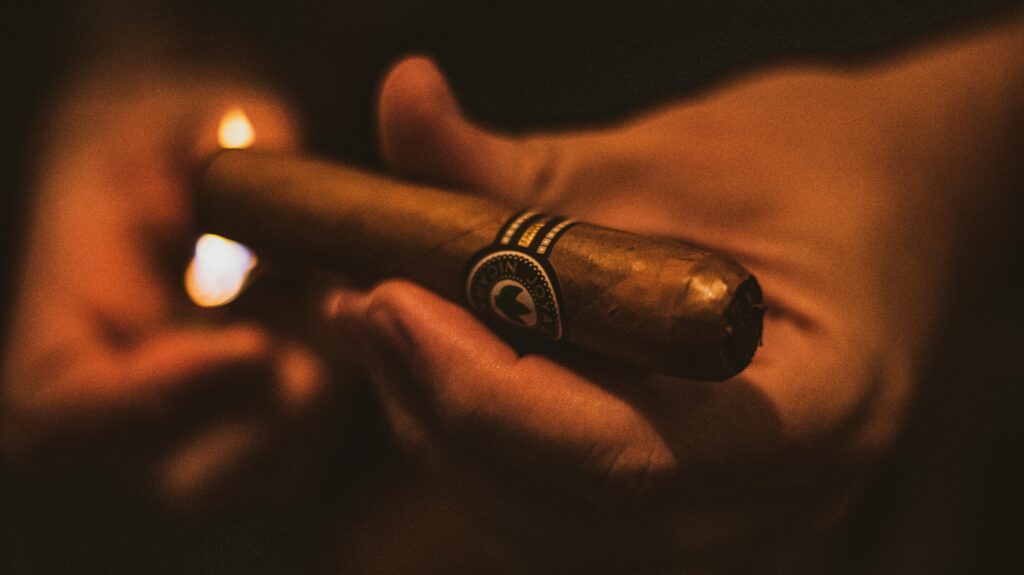
Entering a cigar lounge for the first time can feel like stepping into a private club with a thousand unwritten rules. The rich aroma of aging tobacco, the dim lighting, and the sight of seasoned enthusiasts carefully inspecting long, dark rolls of leaves can be intimidating. However, the world of cigars is not about exclusion; it is about a shared appreciation for craftsmanship and the luxury of time.
To truly enjoy a cigar, you must understand that it is a handmade product, often involving over 200 pairs of hands before it reaches your humidor. It is a living, breathing object that requires respect and a specific set of “manners.” Whether you are celebrating a milestone or simply curious about the culture, here is everything you need to know to navigate the ritual of the leaf with confidence.
1. The Anatomy: What’s Inside Your Cigar?
A premium cigar is not just a bunch of tobacco rolled together. It is a carefully engineered structure composed of three distinct parts, each serving a specific purpose:
• The Filler: This is the heart of the cigar, located at the center. It consists of a blend of tobacco leaves that determine the strength and primary flavor profile. Blenders often mix leaves from different countries or different parts of the tobacco plant to create complexity.
• The Binder: Just as the name suggests, this leaf holds the filler together. It is tough and durable, ensuring the cigar maintains its shape and burns evenly.
• The Wrapper: This is the outermost leaf, and it is the most expensive part of the cigar. The wrapper provides the “face” of the cigar and contributes about 60-90% of the initial aroma and flavor. Wrappers range from the light, silky Connecticut (mild and creamy) to the dark, oily Maduro (sweet and chocolatey).
2. The Cutting Ritual: Precision is Key
A premium cigar comes with a “cap”—a small piece of tobacco leaf that closes the end you put in your mouth. You must cut this cap to allow air to flow through the cigar.
The most common tool is the Guillotine cutter. The secret is to cut just above the “shoulder” of the cigar. If you cut too deep, the wrapper will start to unravel in your mouth. If you cut too little, the draw will be tight and difficult. A clean, swift motion is essential. Remember: you are creating a pathway for smoke, not performing surgery.
3. Lighting: The Art of the “Toast”
Never light a cigar like you would a candle or a cigarette. You do not want the flame to touch the tobacco directly, as the intense heat can char the delicate leaves and create a bitter taste.
Instead, you “toast” the foot of the cigar. Hold the cigar at a 45-degree angle above the flame (ideally a butane torch or a long wooden match) and slowly rotate it. You want to see the edges glowing orange. Once the foot is evenly toasted, place the cigar in your mouth and take a few gentle puffs while continuing to hold the flame just below the foot. This ensures an even burn from the very first draw.
4. The Golden Rule of Smoking: Do Not Inhale
This is the most frequent mistake beginners make. Cigar tobacco is much stronger and more alkaline than cigarette tobacco. You do not inhale cigar smoke into your lungs. Instead, you draw the smoke into your mouth, let it swirl over your palate to taste the flavors—notes of cedar, leather, coffee, or spice—and then gently blow it out. The nicotine is absorbed through the membranes in your mouth, providing a relaxed, “body-high” sensation rather than a lung hit.
5. Lounge Etiquette: How to Be a Pro
If you are smoking in a public lounge or with friends, there are a few “unspoken” rules that will mark you as a true enthusiast:
• Let the Ash Fall Naturally: You don’t need to “flick” a cigar like a cigarette. High-quality cigars have long-filler leaves that can hold an inch or more of ash. Let the ash fall when it’s ready; it actually helps insulate the cherry and keep the smoke cool.
• Don’t “Stump” Your Cigar: When you are finished, do not grind the cigar into the ashtray. This creates a very unpleasant, stale odor. Simply lay the cigar in the tray and let it go out gracefully on its own. It is often said that “a cigar’s death should be as dignified as its life.”
• Keep the Band On (Usually): In the past, removing the band was a sign of modesty. Today, most people leave it on. If you do want to remove it, wait until you’ve smoked about an inch; the heat will loosen the adhesive, preventing you from tearing the delicate wrapper.
Finding Your Style
The beauty of cigars is that there is a “vitola” (size and shape) for every occasion. If you only have thirty minutes, a Robusto is perfect. If you have a long afternoon ahead of you with a glass of whisky, a Churchill or a Double Corona is the way to go.
Like any fine art, your palate for cigars will develop over time. Start mild, pay attention to the aromas, and most importantly, enjoy the silence or the conversation that the cigar facilitates.
What was the first cigar you ever tried? Or are you still looking for the perfect one to start your journey? Let’s share our experiences in the comments—every expert was once a beginner with a cutter and a dream.
Pro-Tip: Always eat a light meal before smoking a full-bodied cigar. Smoking on an empty stomach can sometimes lead to “nicotine sickness.” A bit of sugar (like a piece of chocolate or a sugary drink) can quickly settle your stomach if you start to feel dizzy!
Leave a Reply